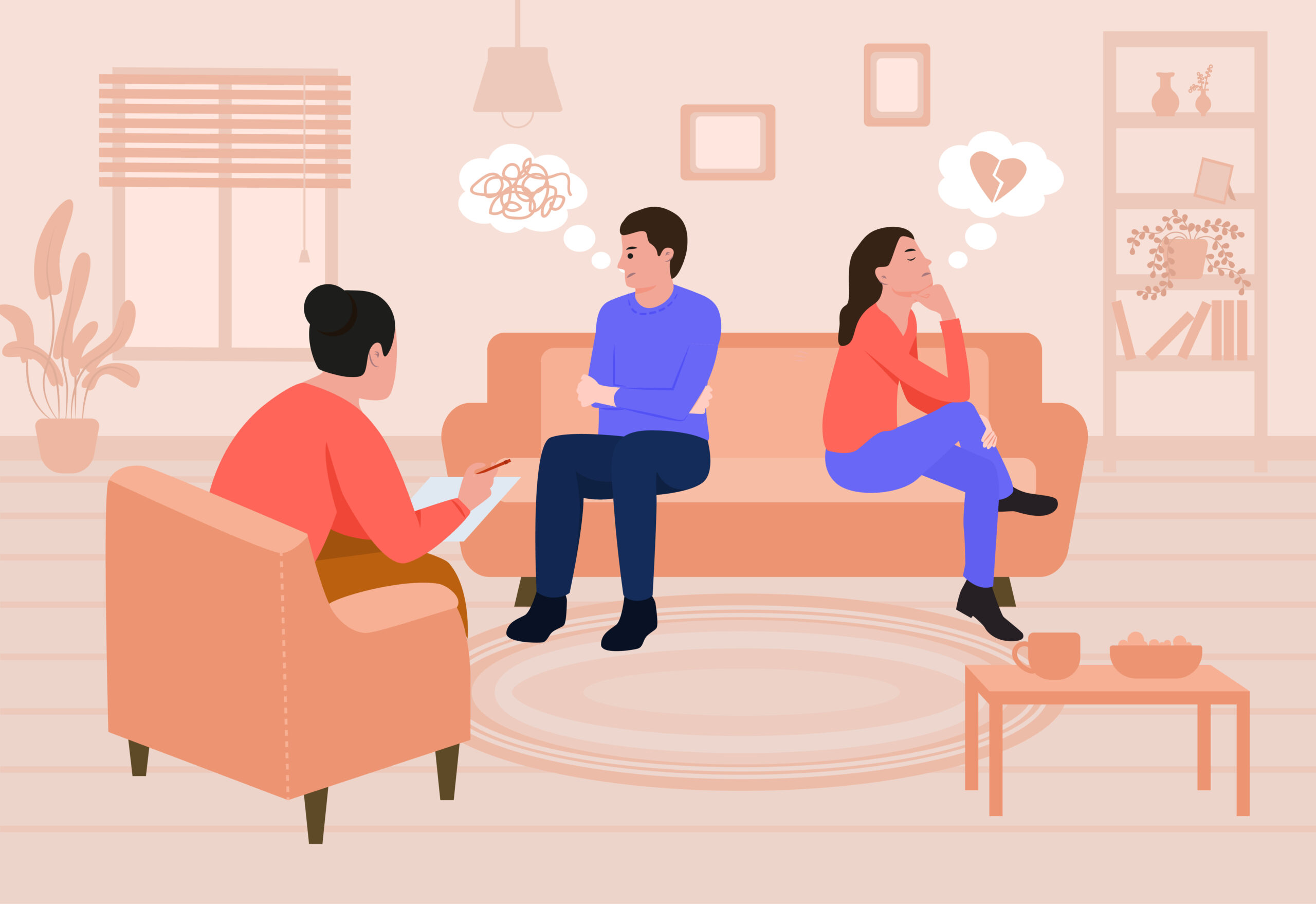

My training includes evidence-based modalities such as Prolonged Exposure, Cognitive Processing Therapy, Cognitive Behavioural Therapy (CBT), Acceptance and Commitment Therapy (ACT), and Dialectical Behaviour Therapy (DBT)-informed interventions. These approaches are supported by extensive research; however, their effectiveness depends on thoughtful application, clinical skill, and sensitivity to each client’s unique experiences. This is central to my practice. Clients often report feeling understood and respected in the therapeutic space. They describe my approach as calm, direct, and consistent, with a balance of structure and empathy. I aim to create an environment where you can explore difficult experiences safely, while also being supported to move towards meaningful and sustainable change.
“In therapy, we don’t just talk—we work together.”
✨ “We choose and combine these approaches based on your needs, so therapy becomes personalized for you.”

My role is to help you understand the underlying patterns that may be contributing to your current difficulties, and to work with you in developing effective ways to address them. Therapy with me is not a passive process. While I provide a space for you to be heard, I also actively engage in helping you gain insight into your thoughts, emotions, and behaviours. This includes offering reflections, identifying patterns, and collaboratively developing strategies that are tailored to your individual needs and context. I follow a structured, evidence-informed approach to therapy, adapting interventions based on what is most appropriate and effective for you. My training includes evidence-based modalities such as Prolonged Exposure, Cognitive Processing Therapy, Cognitive Behavioural Therapy (CBT), Acceptance and Commitment Therapy (ACT), and Dialectical Behaviour Therapy (DBT)-informed interventions. These approaches are supported by extensive research; however, their effectiveness depends on thoughtful application, clinical skill, and sensitivity to each client’s unique experiences. This is central to my practice. Clients often report feeling understood and respected in the therapeutic space. They describe my approach as calm, direct, and consistent, with a balance of structure and empathy. I aim to create an environment where you can explore difficult experiences safely, while also being supported to move towards meaningful and sustainable change. Therapy is intended to help you develop greater clarity, emotional resilience, and a stronger sense of direction in your life. Our work together will focus on building practical skills, gaining meaningful insight, and supporting you in navigating daily life with more stability—so that past experiences feel less overwhelming and the present feels more manageable. If this aligns with what you are looking for, I would be glad to connect and explore whether this is the right fit for you.
Dr. Priyanka Sharma
Dr. Priyanka Sharma
Here we work on providing wholistic change rather than just focusing on a symptomatic relief. We understand and acknowledge the individual differences and believe that you are unique with different understanding of life. You are just accepted the way you are and are provided with deep knowledge and understanding of your problems along with your approach of dealing with it. You are provided with different skills and techniques to holistic meditative approaches, depending on what you are comfortable with. To help you overcome your problems, we connect you with trained and certified therapist who provides you with unconditional support and guidance to help you become capable of creating your own possibilities.
What types of issues -
Benefits of
“Changing thoughts to change feelings and behavior”
“If you think ‘I’m a failure,’ CBT helps you question it and replace it with something more balanced like ‘I had a setback, but I can try again.’”
DBT (Dialectical Behavior Therapy)
“Accepting thoughts, not fighting them”
Instead of trying to remove thoughts, ACT teaches you to accept them without getting stuck
Focus on values and meaningful actions
“You might still feel anxious, but you don’t let that stop you from doing what matters to you.”
“If you fear crowded places, we take small steps—imagining, then visiting briefly, then staying longer.”
“Healing from trauma by understanding thoughts”
“You may feel ‘It was my fault.’ CPT helps you examine and shift that belief in a healthier way.”
Raj Nagar Extension, Ghaziabad-201017, Uttar Pradesh
9266438300
priyankaamrish@hotmail.com